B2B customers operate digitally and expect straightforward processes, automation, and precise information exactly when they need it.
That is why we are introducing another six features that decide whether a B2B portal becomes a valuable platform for customers and internal teams — or simply another website with little real impact.
Here are the features that in 2026 determine whether your B2B portal becomes a truly effective business tool:
1. Seamless ERP Integration
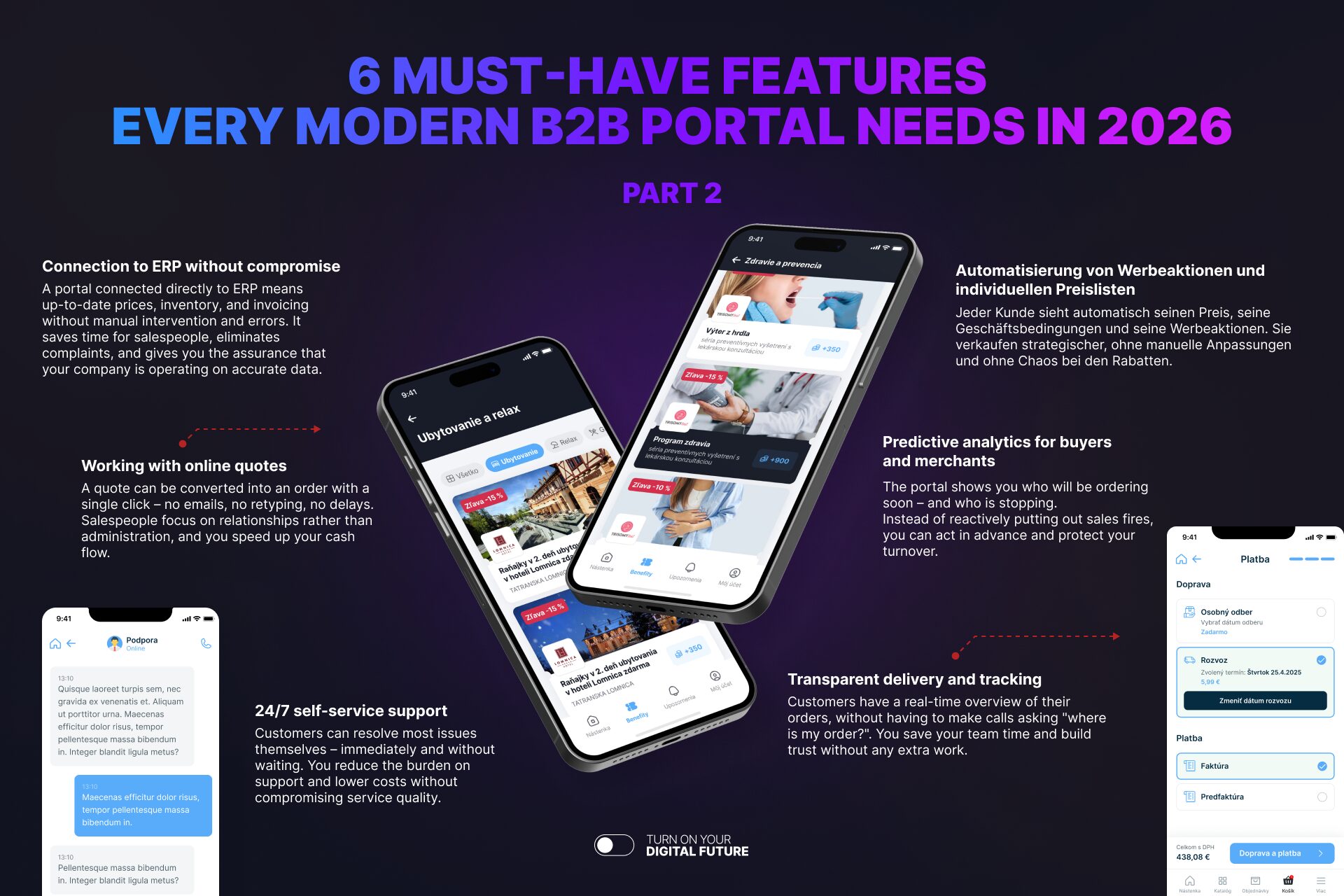
The performance of a B2B portal largely depends on reliable integration with the company’s ERP system. Information must move accurately, securely, and in real time — including pricing, inventory levels, invoices, and customer data.
If the ERP system is not technically ready or the integration is poorly implemented, the portal quickly becomes a source of inconsistencies and operational mistakes.
The result?
Frustrated customers and an overwhelmed sales department.
2. Digital Quote Management
Not all customers prefer fully self-service purchasing. Many still value direct communication and want to discuss pricing, conditions, or product details with a sales representative — which is completely natural.
Even in such cases, a B2B portal offers clear advantages.
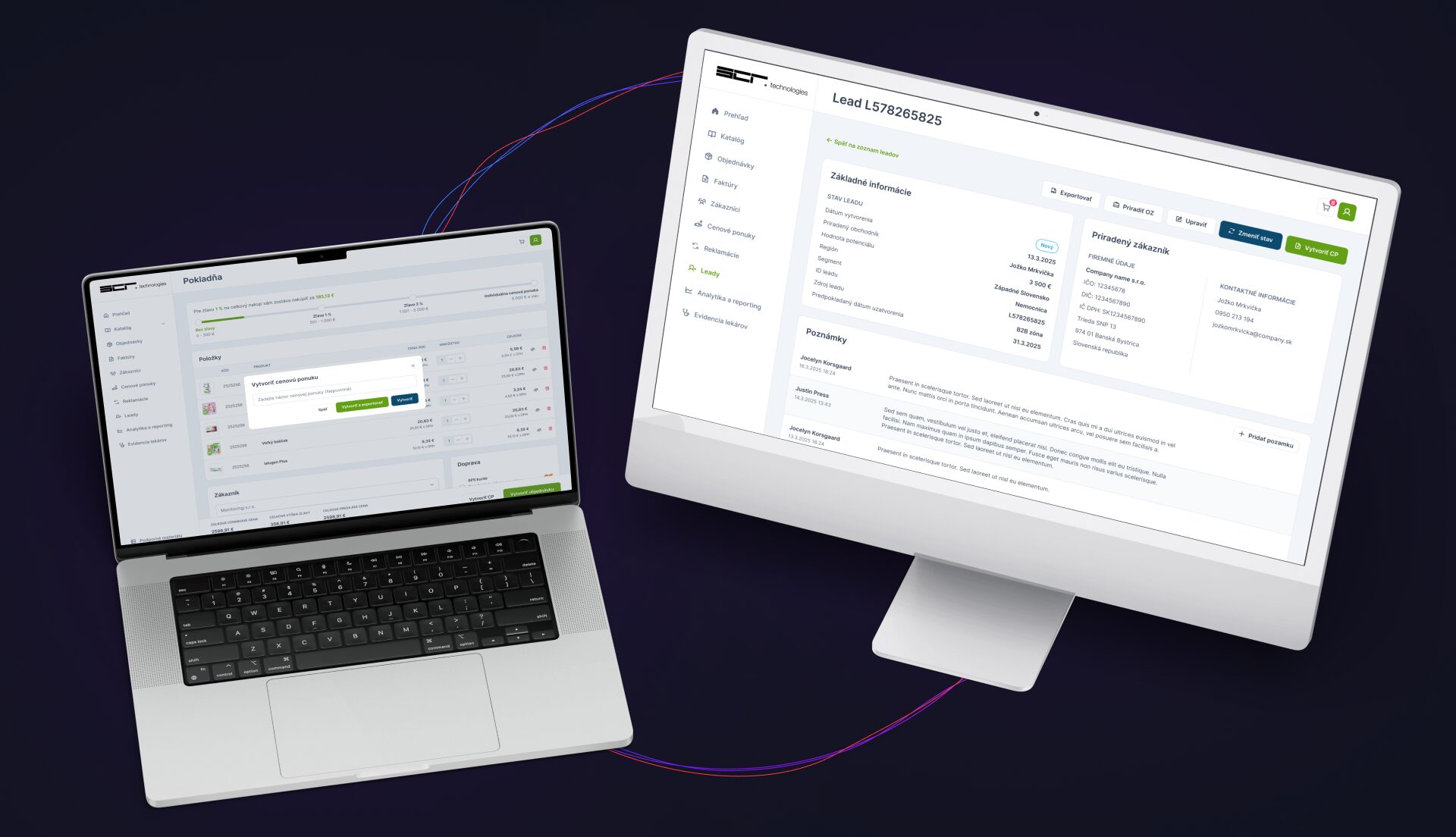
The salesperson prepares the quote and the customer immediately sees it in their portal account. They can review it, approve it, leave comments, or request adjustments.
After approval, the quote can instantly be converted into an order with one click — no emails, no confusion, and no delays.
3. 24/7 Self-Service Support
Today’s customers do not want to wait for replies to emails or phone calls. They expect to resolve common issues independently — quickly and at any time.
A modern B2B portal therefore includes:
an intelligent chatbot
a structured knowledge base with guides and solutions
FAQs based on real customer inquiries
automated identification and resolution of frequent issues
Companies reduce the burden on their support teams while customers receive answers instantly.
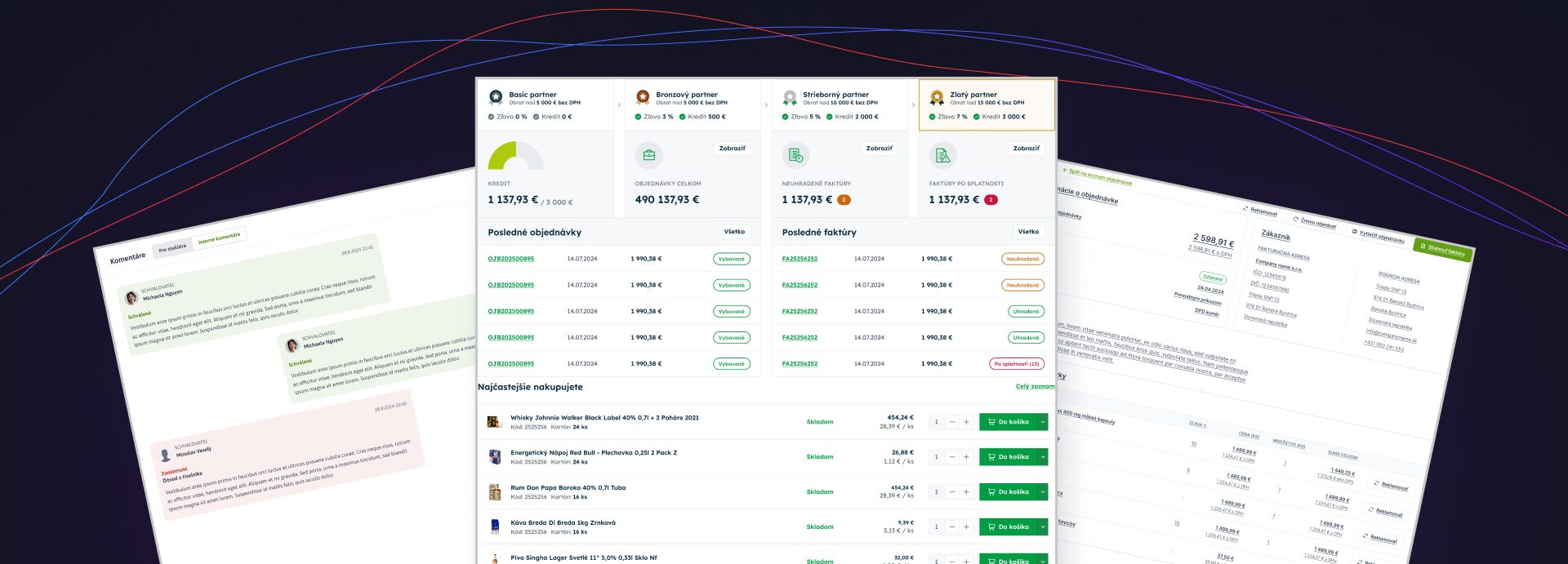
Modern B2B portals allow businesses to manage pricing strategies and promotional campaigns tailored to specific customers or market segments.
Companies can configure:
campaigns targeted at selected customer groups
different price lists for regions or markets
automated discounts and promotional offers for specific clients
As a result, the portal is no longer just a platform for placing orders — it becomes an active sales channel supporting both marketing and sales teams.
5. Transparent Delivery and Order Tracking
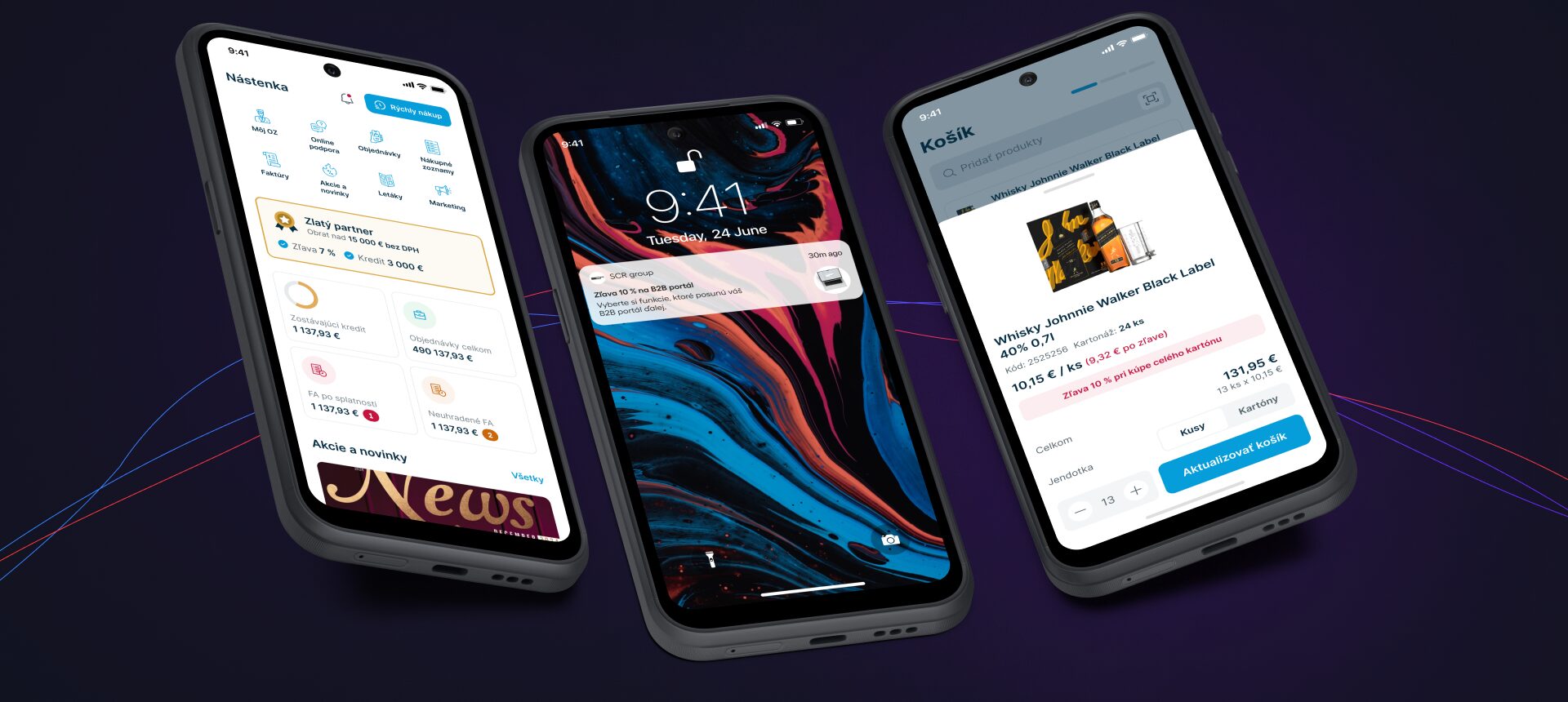
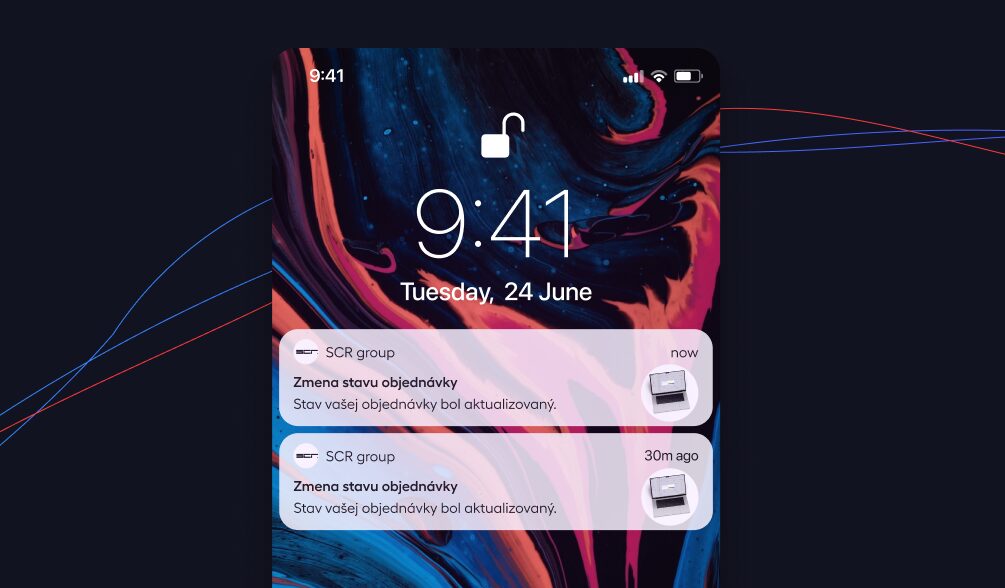
A simple notification like “your order has been processed” is no longer sufficient. Customers want complete visibility of their shipments at every stage.
A modern B2B portal therefore provides:
detailed shipment tracking
real-time delivery status updates
automated notifications when the status changes
shipment tracking directly inside the portal without switching to external websites
This increases customer confidence and significantly reduces questions such as “Where is my order?”
6. Predictive Analytics for Buyers and Sales Teams
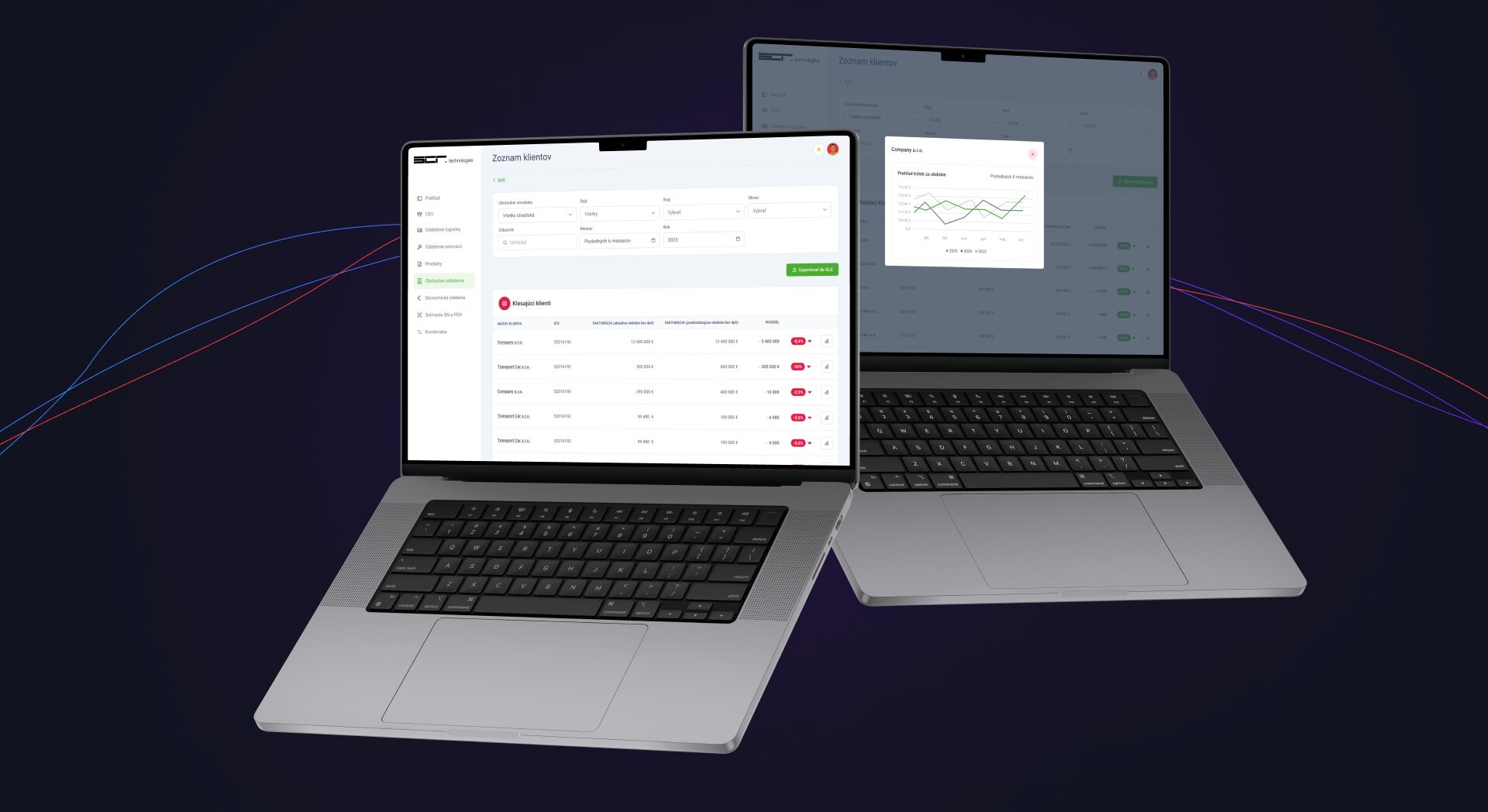
Modern B2B portals are no longer used only for order processing. They also provide valuable insights that help both buyers and sales teams make better decisions in advance.
For example, the portal can display:
what products the customer purchases regularly and how often
when their inventory will likely run out
recommendations for replenishment
alerts when purchasing activity drops or stops completely
Sales representatives no longer need to wait for the customer to reach out. They can proactively contact them, offer alternatives, or suggest additional products at the right moment.
Sales therefore move from a reactive model to a predictive one — exactly what modern B2B companies require.
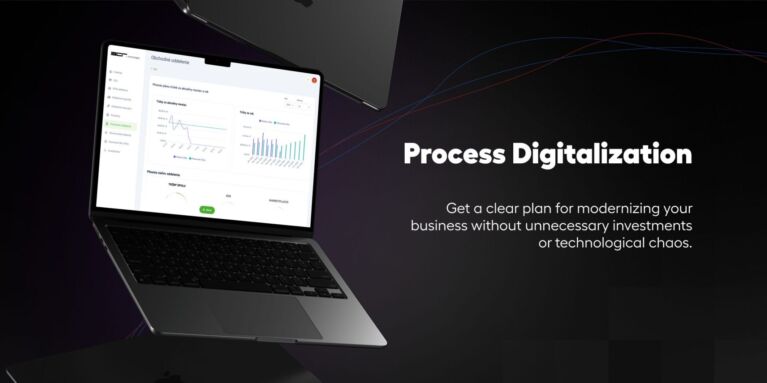
The Key to Modern B2B Sales: A Digitalization Roadmap
Although these features are important, they alone do not guarantee success. Real value appears only when they are properly connected with internal processes and implemented step by step in a way that supports the entire business.
Every company is at a different stage of digital transformation — some need to start with real-time pricing, others with ERP integration, workflow automation, or analytics. The key is identifying which steps will create the greatest impact in your specific situation.
Together with our clients, we therefore create a practical digital roadmap that helps define priorities, uncover the biggest time and cost savings, and gradually build a complete B2B ecosystem.
We also explore sales digitalization in our articles “The B2B Zone as a Strategic Growth Channel” and “B2B PORTAL TRENDS 2026 | Part 1,” where we explain why B2B portals are becoming a crucial part of the modern business model.
If you would like to discover what a digitalization roadmap could look like for your company, contact us through the contact form.