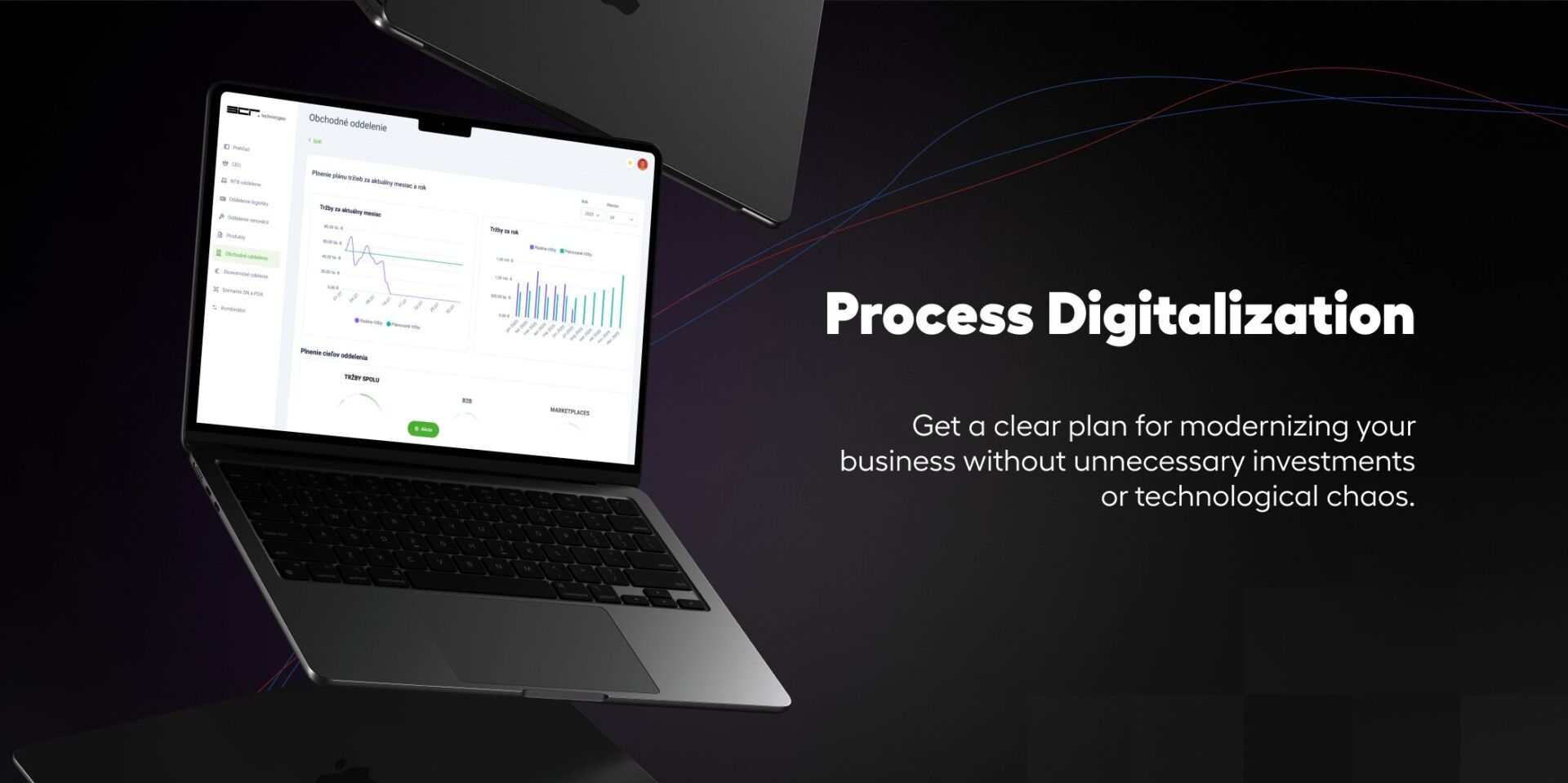
Digital transformation for B2B is no longer just an option; it is a necessity for scaling in today’s market. Sooner or later, every company hits its growth limits—demand rises, but inefficient internal workflows hinder progress. Neglecting process optimization leads to slow order processing and data silos that threaten the operational excellence of the enterprise.
In my daily practice at SCR® group, the focus has shifted significantly.
“When I meet with business owners today, we no longer discuss whether digital transformation is necessary. Most realize that without it, they simply cannot move forward in a competitive environment.”
Strategic modernization of business processes can be reduced to three key questions:
The question of price is inextricably linked to the Return on Investment (ROI). At SCR®, we first analyze your value chain to identify areas where unnecessary operating costs arise.
Often, the problem is not the market, but the lack of back-office automation. For example: a wholesaler lost precious time daily through manual data entry.

“After the automation of order processing and the implementation of a custom B2B portal, the situation changed fundamentally. The administrative burden dropped by dozens of percent, errors were eliminated, and sales teams could finally focus on high-value activities.”
2. Risk Management and Project Governance
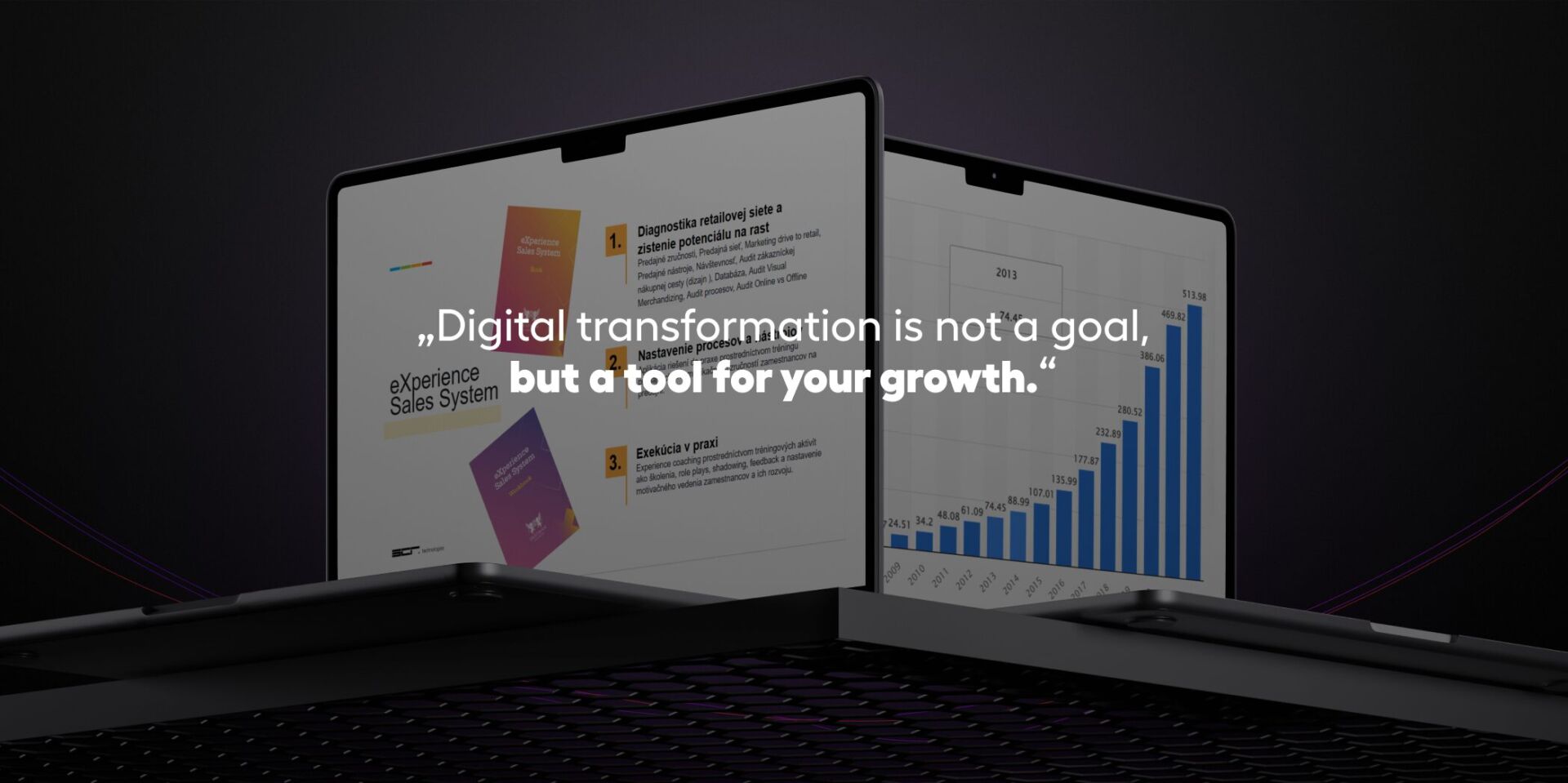
To minimize the risk of failed IT projects, we rely on a well-founded digital roadmap.
“That is why I consider it crucial for a project to have a clear structure and defined KPIs (key performance indicators) from the start. The foundation of success is a digital roadmap. I do not see it as a dry technical document, but as a strategic plan that makes sense from a business perspective and long-term goals.”
We focus on “quick wins” to increase acceptance within the company and accelerate the amortization of costs.
System integration is the mantra of modern IT. It is often unnecessary to replace existing ERP or CRM systems. Rather, it is about creating an efficient software ecosystem where data flows without barriers. Eliminating redundancies and increasing data transparency are the primary goals of digitalization.

4. Your Path to Digital Efficiency
Implementing Digital transformation for B2B is a strategic decision for the next 10 years. If your processes are hindering rather than supporting your growth, it is time for a business audit. Take advantage of our free 60-minute consultation for a targeted analysis of your company’s potential.
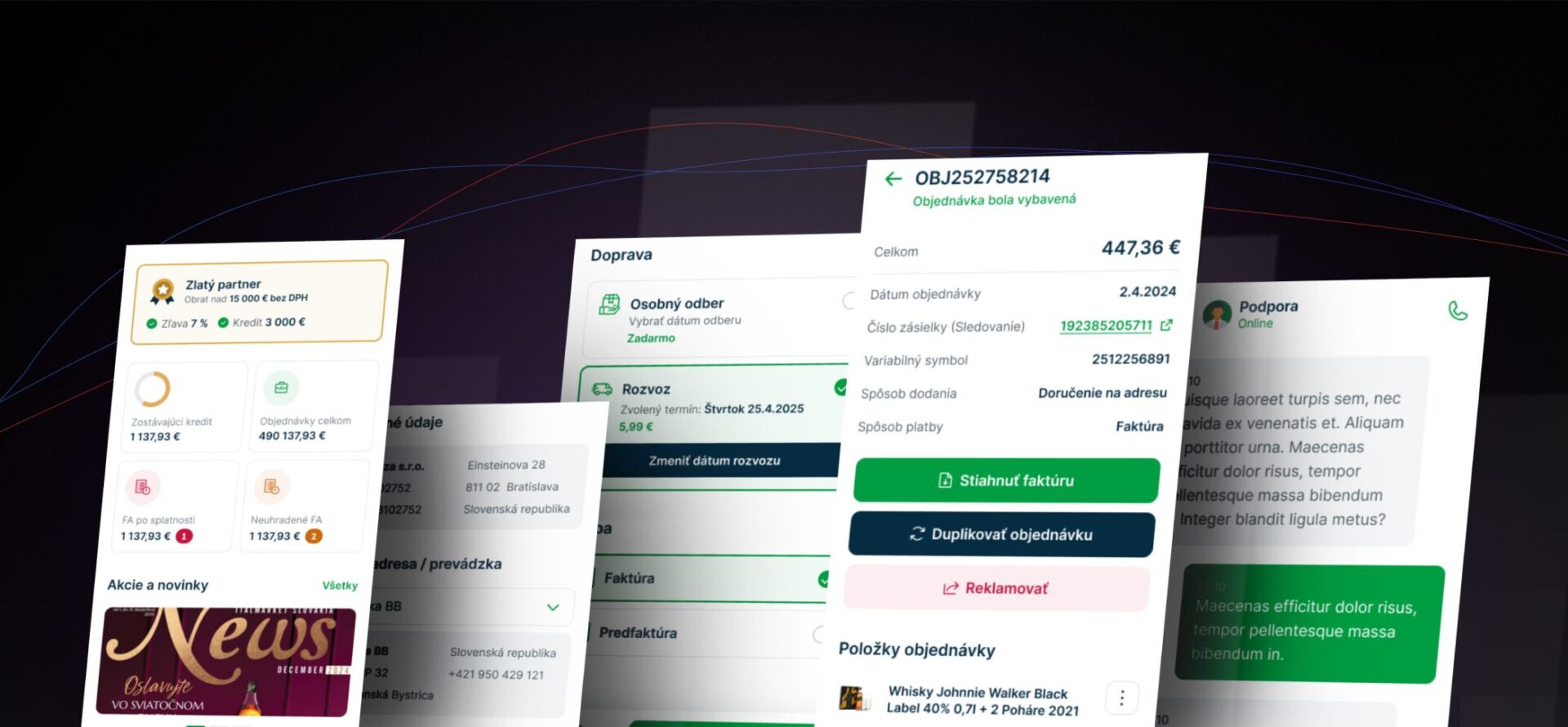
We also explore the digital transformation of sales in our articles “The B2B Zone as a Strategic Growth Channel” and “B2B Portal Trends 2026 | Part 2,” in which we explain why B2B portals are becoming a crucial component of the modern business model.