Selling an off-the-shelf t-shirt or a standard chair online is straightforward. Selling custom built-in wardrobes, bespoke kitchens, or made-to-order designer tables is an entirely different operational challenge. End buyers need to adjust dimensions down to the millimeter, select finishes and hardware, and see an accurate price immediately. As a manufacturer, you must be certain that whatever is configured online can actually be built on the shop floor without eroding your margin.
When order intake relies on back-and-forth emails, manual CAD drafting, and complex Excel calculators, every incoming sale creates an administrative bottleneck. The proven path to profitable online sales for custom furniture lies in a unified data pipeline: connecting a web-based 3D configurator directly to your ERP and automated CAD/CAM production line.
Mainstream e-commerce platforms like Shopify, WooCommerce, or Magento are built around discrete, pre-stocked inventory. A customer selects an SKU, checks out, and warehouse staff picks and packs a finished box.
In configure-to-order furniture manufacturing (batch size 1), finished inventory does not exist. Every unit is manufactured on demand, resulting in hundreds of thousands of possible configurations. When an inquiry comes through a generic contact form, a slow cycle begins: sales reps estimate material costs, engineers verify machine capabilities, and only then does the customer receive a quote.
This legacy approach creates three critical issues:
- High Drop-off Rates: Customers wait days for an estimate and frequently turn to faster competitors in the meantime.
- Costly Data Rekeying Errors: Manually transferring dimensions across emails, spreadsheets, and CAD drawings leads to mistakes that often only surface during installation.
- Linear Overhead Growth: Scaling order volume requires hiring more administrative draftsmen and estimators, which throttles profitable growth.
Effective digitization is not simply embedding a 3D render onto a product page. Its purpose is to build an automated, unbroken data stream from the initial click online straight to the CNC beam saw on the factory floor.
1. What a Modern 3D Furniture Configurator Must Deliver
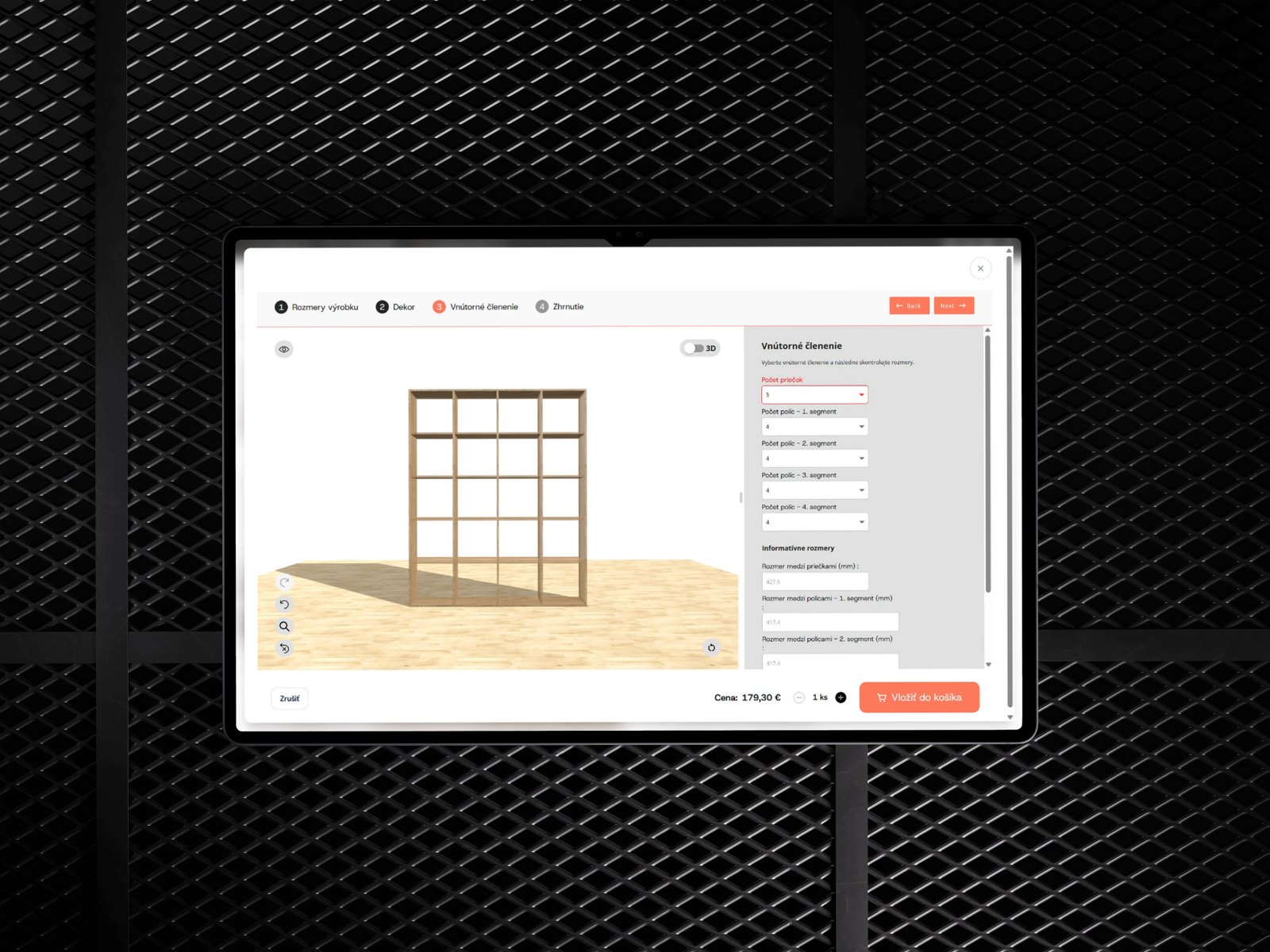
A commercial 3D configurator is not a marketing toy; its core responsibility is enforcing parametric engineering constraints. If a customer designs a two-meter-wide shelf using thin particle board without a central divider, it may look fine on screen, but it will sag under real loads. An unconstrained configurator simply exports defects directly into production, leading to expensive warranty claims.
A robust configurator operates with strict manufacturing rules:
- It restricts width, height, and depth adjustments strictly within safe structural limits defined by material properties.
- It automatically injects structural supports, extra shelves, or additional hinges as dimensions pass designated thresholds.
- It restricts selections to validated material combinations—such as Egger or Kronospan laminates paired with certified hardware systems from Blum or Hettich.
- It recalculates the exact sales price instantly with every adjustment, eliminating quote wait times.
- It outputs structured, parametric engineering data ready for direct factory ingestion rather than an isolated screenshot or PDF.
2. Real-Time Dynamic Pricing Without Manual Quotations
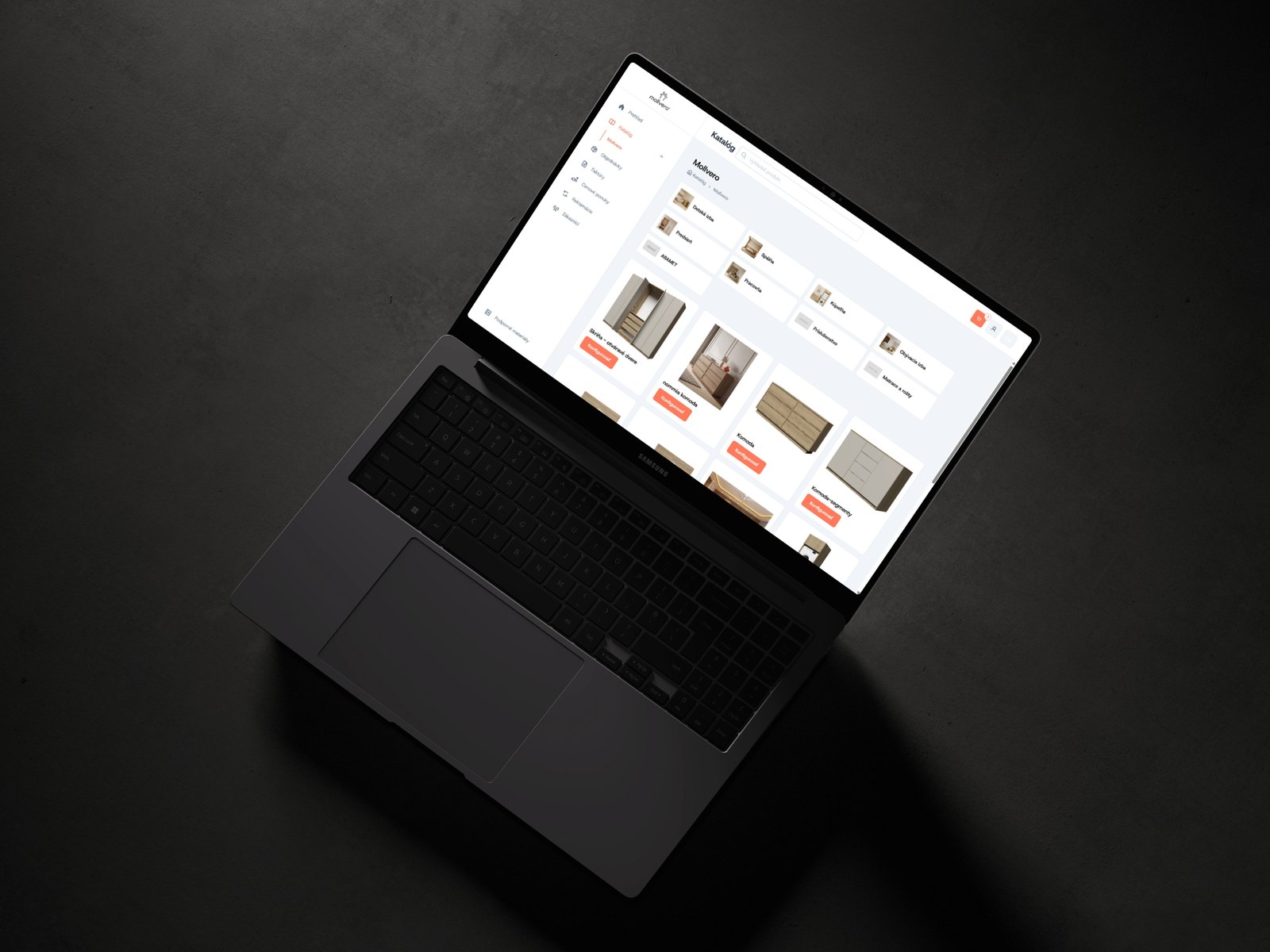
Drafting custom quotes manually consumes engineering and sales hours that should be spent on closed deals. Many casual inquiries are simply price shopping and never convert, leaving teams burdened with unbillable administrative overhead.
A dependable pricing engine embedded within the configurator calculates prices on the fly using true manufacturing cost drivers:
- Net panel usage factoring in scrap, nesting loss, and offcut waste.
- Linear edge-banding requirements, bore holes, and exact hardware counts.
- Projected machining cycle times across CNC cutting, drilling, and edge-banding operations.
- Packaging, freight logistics, and calibrated profit margins.
Presenting an upfront, transparent price dramatically shortens the customer decision cycle, freeing internal teams to focus on order execution rather than routine estimating. How quickly such an investment pays off is covered in our article How Fast Can a B2B Portal Deliver ROI.
3. Connecting the Configurator to ERP and Shop-Floor Production
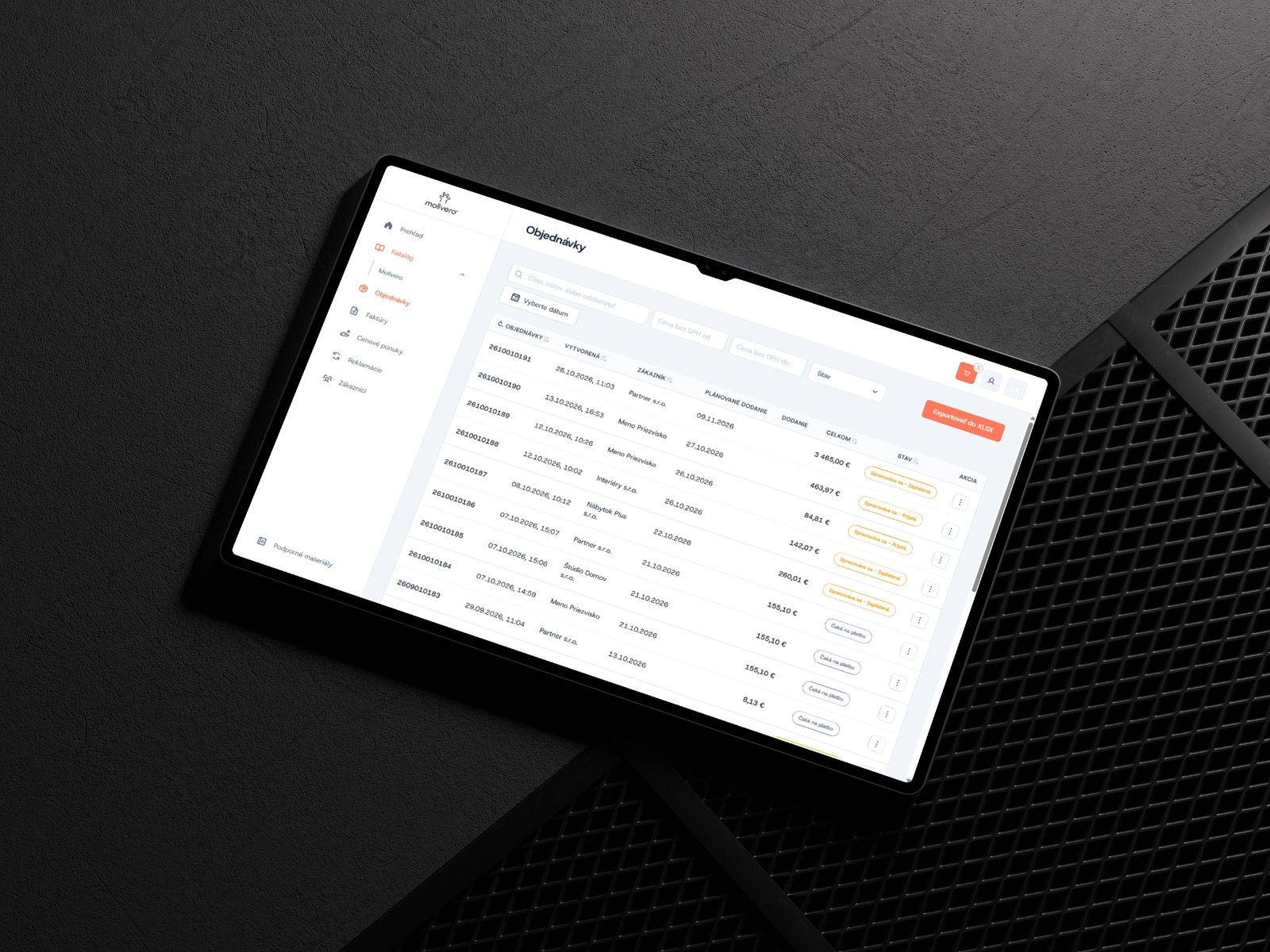
The single biggest pitfall in configurator deployments is the “dead end” integration—a system that merely generates a flat PDF for human review. If an engineer must manually recreate the customer’s model inside drafting software, the efficiency gain is lost.
In an end-to-end architecture, data moves across systems without manual intervention:
Once the customer finalizes the design and pays the deposit, the ERP platform (such as Helios, SAP, Microsoft Dynamics, or ABRA) automatically creates the customer account, issues invoices, and allocates raw materials in inventory. Specialized woodworking CAD/CAM software (such as imos CAD/CAM) ingests the parametric geometry directly.
Without redrawing, the system automatically outputs:
- Detailed bills of materials (BOMs)
- Optimized cutting and nesting patterns
- Machine-ready CNC G-code for milling and drilling centers
On the production floor, operators simply scan a job barcode attached to the traveler sheet, and the machines immediately load the corresponding programs to process components accurately.
This operational flow relies on maintaining a strict Single Source of Truth: the ERP controls commercial pricing and stock availability, CAD/CAM governs structural logic and tooling rules, and the web configurator bridges these data points cleanly for the user. You can see what this kind of Helios ERP integration looks like in wholesale in our Galia Slovakia case study.
4. Unifying B2C Retail and Trade B2B Accounts
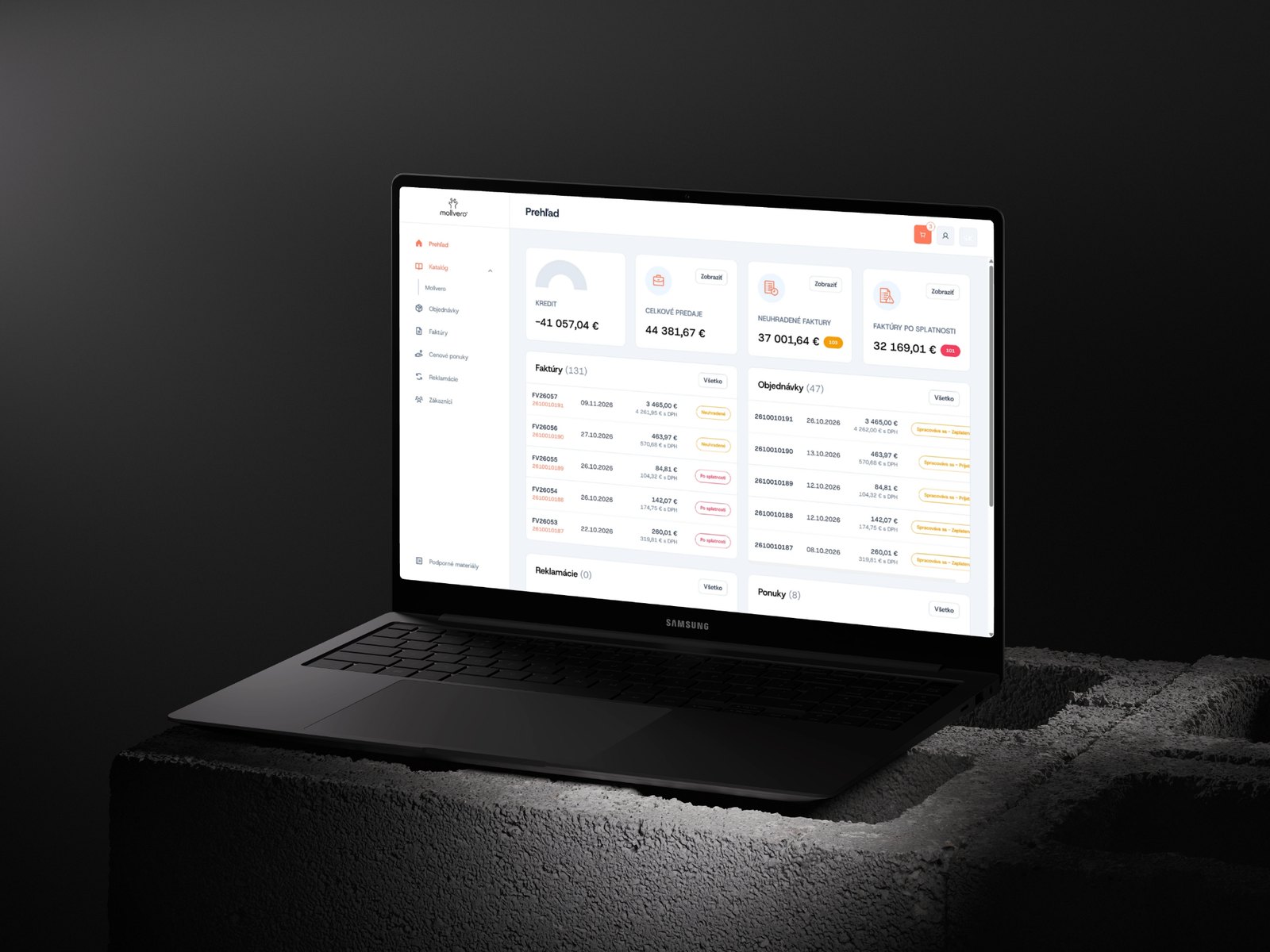
Custom furniture manufacturers rarely rely solely on retail buyers. A substantial portion of revenue typically comes from professional channels: architects, interior designers, and commercial contractors. Yet these two buyer profiles require distinctly different purchasing experiences:
While retail consumers require an intuitive UI, high-fidelity rendering, and straightforward credit card checkout, trade partners prioritize rapid parametric dimension entry, contracted wholesale pricing tiers, downloadable 3D CAD assets for their architectural software, and invoicing on credit terms.
A well-structured platform serves both channels from a single core: Once logged in, an architect sees pre-negotiated tier discounts, while a consumer purchases at retail rates. Catalog structures, material libraries, and manufacturing export routines run on the identical backend, eliminating the cost of maintaining separate websites. Why a dedicated B2B zone pays off for manufacturers is explained in The B2B Zone as a Strategic Growth Channel, and B2B Portal Trends 2026 shows which features buyers expect today.
Case in Point: Mollvero

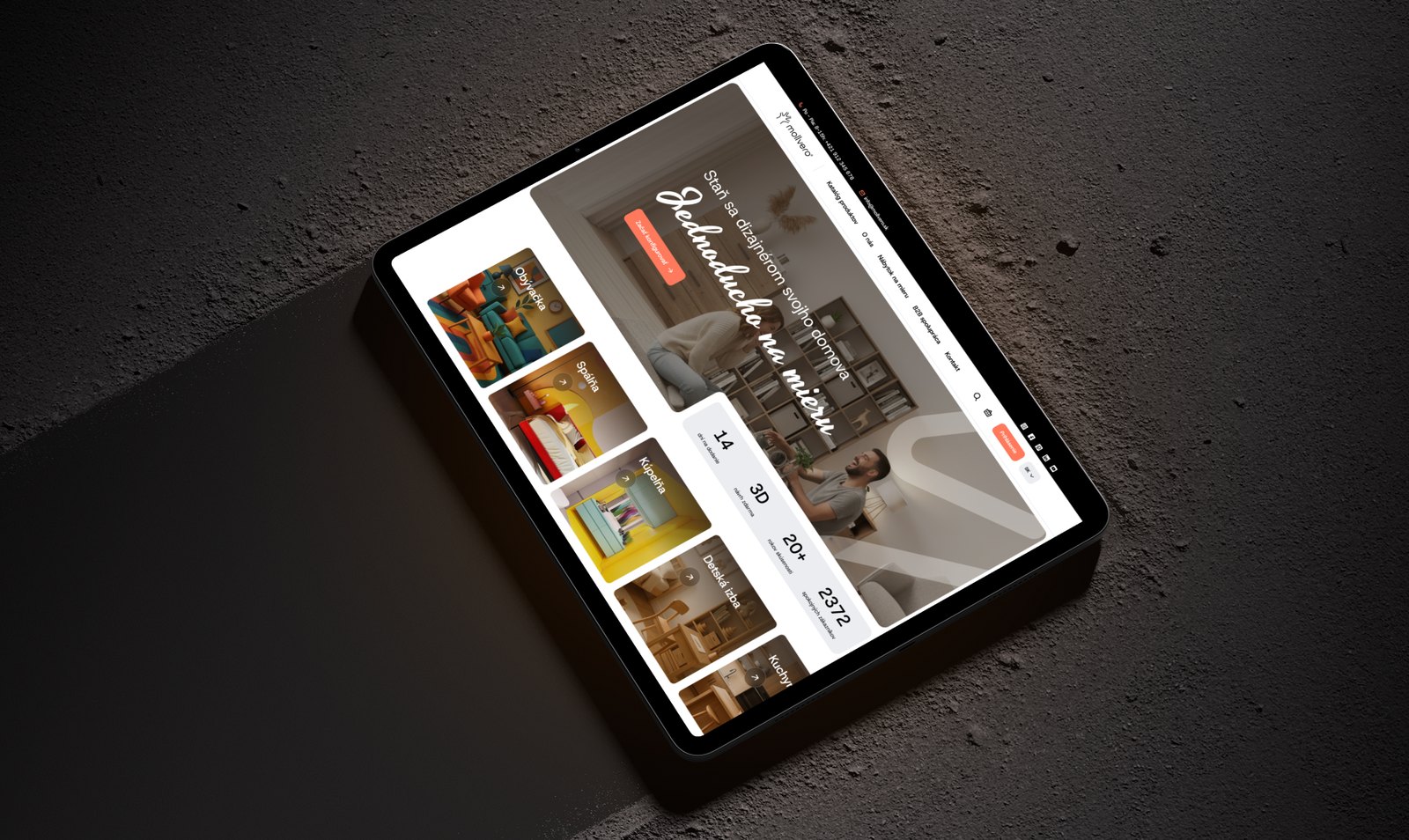
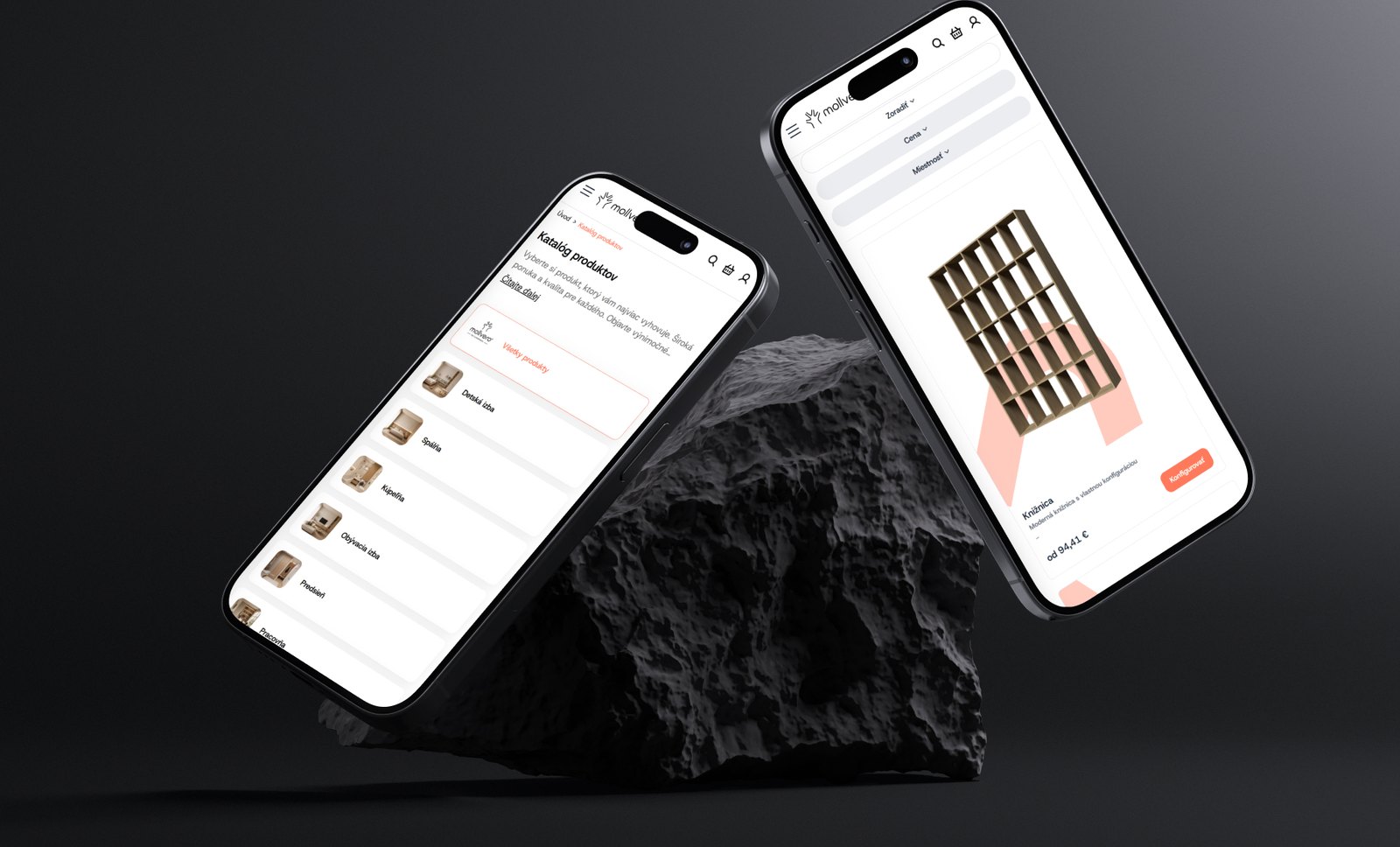
A practical demonstration of this workflow in production is Mollvero, a brand specializing in modular, premium furniture. Software partner SCR deployed a centralized sales platform integrated directly with Helios ERP and imos CAD/CAM.
Customers design furniture online while the engine validates structural rules and recalculates pricing in real time. Validated order parameters pass straight to automated manufacturing preparation, cutting out manual tech reviews. The platform powers both a public e-commerce storefront and a dedicated B2B partner zone and has already served 2372+ satisfied customers with a 99.86% customer satisfaction rate.
The results underline a key reality: the primary return on investment does not come from 3D visualization alone, but from automated, bi-directional data integration between the digital storefront and the machinery on the factory floor.
Pre-Implementation Checklist
Before kicking off development with a technology provider, define your internal production logic:
- Map Production Constraints: Formulate minimum/maximum part sizes, structural spans, and material/hardware combinations that your machinery or materials cannot support.
- Standardize Costing Algorithms: Detail exact calculation logic for panel yields, offcut waste, edge-banding, assembly labor, and CNC cycle times.
- Audit CAD/CAM Connectivity: Verify that your CAM software can ingest external job orders programmatically via APIs, XML, or structured CSV imports.
- Ensure ERP Readiness: Confirm that your ERP can automatically ingest structured orders, allocate warehouse materials, and reconcile payments.
- Assign Data Governance: Clearly assign ownership over product masters, pricing rules, and stock levels to avoid duplicate or conflicting system records.
We are happy to go through these points with you. Get in touch for a no-obligation conversation.
A profitable digital sales channel for custom manufacturing is not defined by web aesthetics alone. Success depends entirely on whether your software architecture bridges the customer’s browser and your factory machinery—ensuring spindles keep running without personnel retyping paperwork.
Planning to sell your custom furniture online? Get in touch with us and we will show you how your configurator, ERP and production can work together.
You might also like